

My Missionary Vocation: Lydiah Obok
31 October 2019 Posted by lillian News 0 thoughts on “My Missionary Vocation: Lydiah Obok”Pope Francis has declared this October the Extraordinary Month of Mission. Every 3rdSunday of October, the Church celebrates World Mission Sunday. The theme this year is “Baptized and Sent”. These words commemorate Jesus’ exhortation to his disciples when he sent them, in twos, to go and preach the Gospel. And they set out, placing their faith firmly in God. A missionary is one who is sent out, he or she leaves country, family, friends and many other things. And yet we all know that we are never left alone, for the Holy Spirit will always accompany the community we serve and us.
I met the Missionary Community of Saint Paul the Apostle (MCSPA) in March 2001; I was in the final year of secondary school and preparing for the final examinations. I was busy and worried about passing the exams and being able to join university or college, so that I would be able to pursue my dream in life and have a bright future like most others. Two priests from the MCSPA – one of them was Fr. Steven Ochieng – were invited by a classmate of mine called Lillian Odembo to our school to give a talk to all the Catholic students on vocation. They spoke about the missionary life and what it meant to be a missionary. They also explained about Turkana where the missionaries were living and working. All that they explained sounded interesting to me, but during the talk I kept asking myself, Why Turkana and not other parts of Kenya that also needed our help? I gave my contact, so that they would contact me whenever the priests or any other member of the Community would come to Mombasa.
I come from Mombasa, which is in the southern part of Kenya along the coast where the climate is tropical. Fr. Francisco Andreo (Paco) used to go to Mombasa often to buy seedlings of fruit-trees, such as coconut, date palm and cashewnut for planting in Turkana along the shore of Lake Turkana where the mission had opened some small plantations of fruit trees. In one of his trips to Mombasa in August 2001, I had the chance to meet him. I remember Lillian Odembo coming to my house in the evening to tell me that Fr. Paco was in Mombasa and if I wanted to go and meet him. I went the next day with Lillian Odembo and other girls who had given their contacts. After this first meeting, whenever he came to Mombasa, he called us prior to his arrival so that we would look for seedlings of coconut and cashewnut at a good price. In one of his trips to Mombasa, Paco invited us to go to visit them in Turkana and see the work that they were doing there.
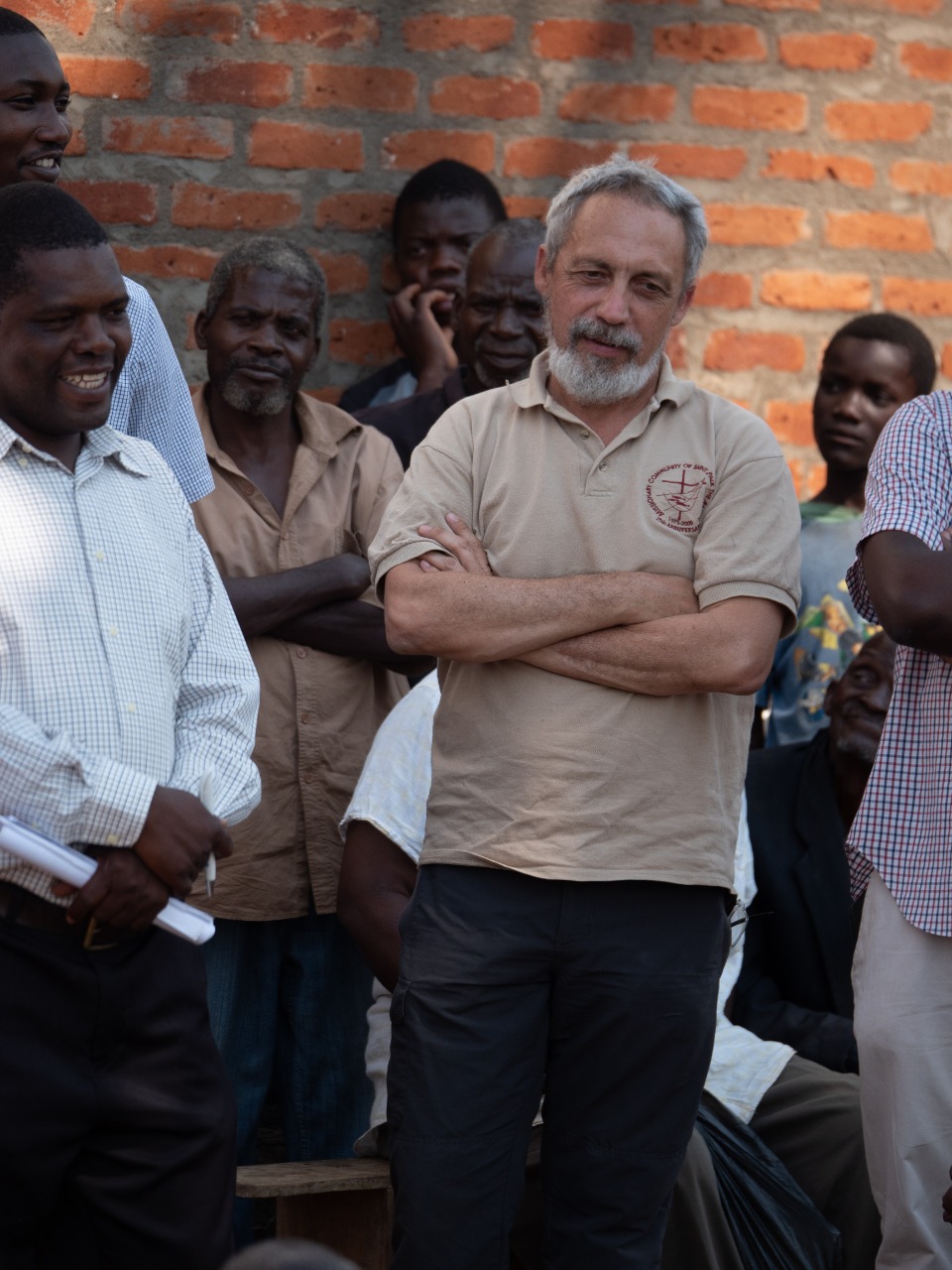
At the end of November the same year after my final exams, I decided to go to visit Turkana together with other girls who were in touch with the MCSPA in order to see what the missionaries were doing in that semi-arid land. I was impressed with all that I saw and with the Turkana people as well. I also got the chance to finally see where Fr. Paco was planting all the tress he asked us to buy for him in Mombasa. We used to go out with him to the lake shore to work in the shamba(or gardens), look for places where to build rock dams and earth dams. We went for masses on Sundays in different places within the parish/mission territory. Whenever we went out, we used to prepare a big basket packed with food, especially bread and tea. Whenever he met a child or woman, Paco would stop and give a piece of bread. This impressed me a lot and I wondered how someone from far could come to help our people in Turkana. I felt challenged as to why I was not the one doing it and yet I am from the same country as these people.
I went to Consolata Primary School in Likoni, a school run by the Consolata Missionary Fathers and all I knew about missionary work was what I saw in the work of these Consolata missionaries. I was also in the parish youth group and each month we would go visitNyumba ya Wazee (the home for of the aged) in Tudor, Mombasa.
My days in Turkana went by so fast. After the Christmas celebrations, I travelled back to Mombasa. I had wanted in my mind to go return to Turkana whenever I would have holidays. I also had the idea of inviting other youth from my parish to organize and go to help as we used to do with the elderly in Mombasa. Upon arriving home from Turkana, I kept explaining to my family and friends what I had seen and done in Turkana. Back home I could not stop thinking and talking about the missionaries, the Turkana people and the work of the missionaries among them. In February 2002 I decided to forget all that I had desired to do after my studies, and made a firm decision to return to Turkana.
I first explained my decision to my elder sister but she could not understand why I would want that. Then I decided to explain to my mother, but she was completely against me being a lay missionary. I come from a Catholic family and I thought that my mother, being a good Catholic all her life, would not hesitate or have any objection to me following this vocation as a lay missionary and serving the Church. She refused to give me the fare to go back to Turkana; my elder sister helped me pay the transport and she told my mother to let her daughter do whatever she liked as she would come back in the end. That is when my mother cooled down, and I called Fr. Paco to say that I had decided to go back to Turkana to live there and be a lay missionary.
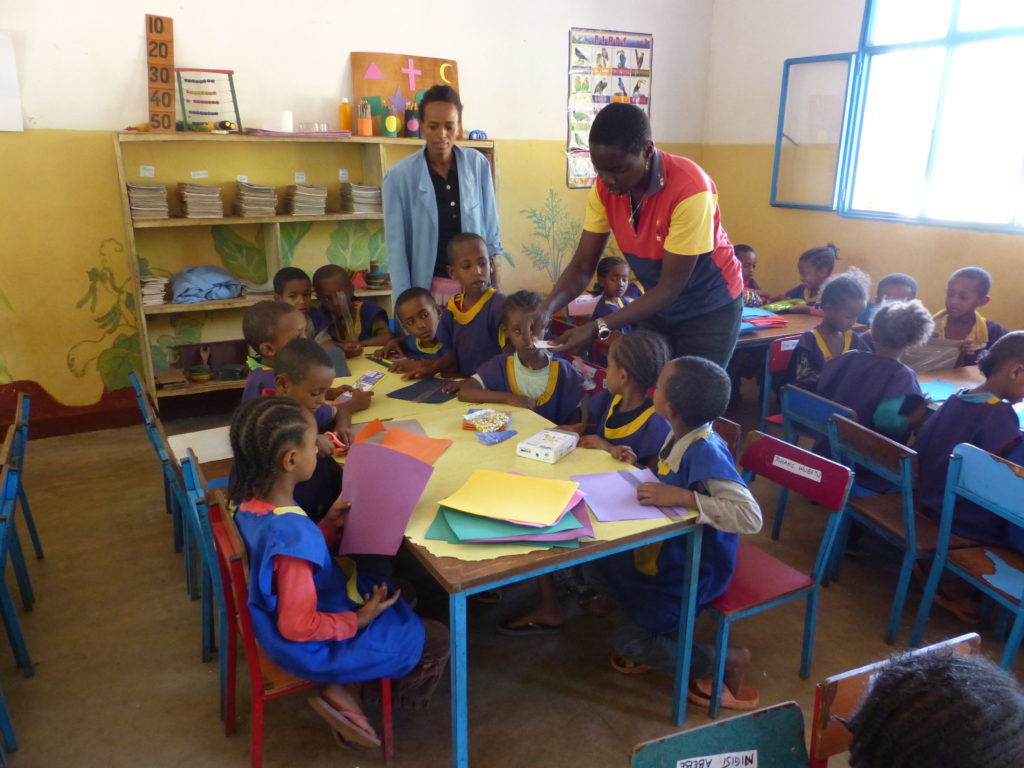
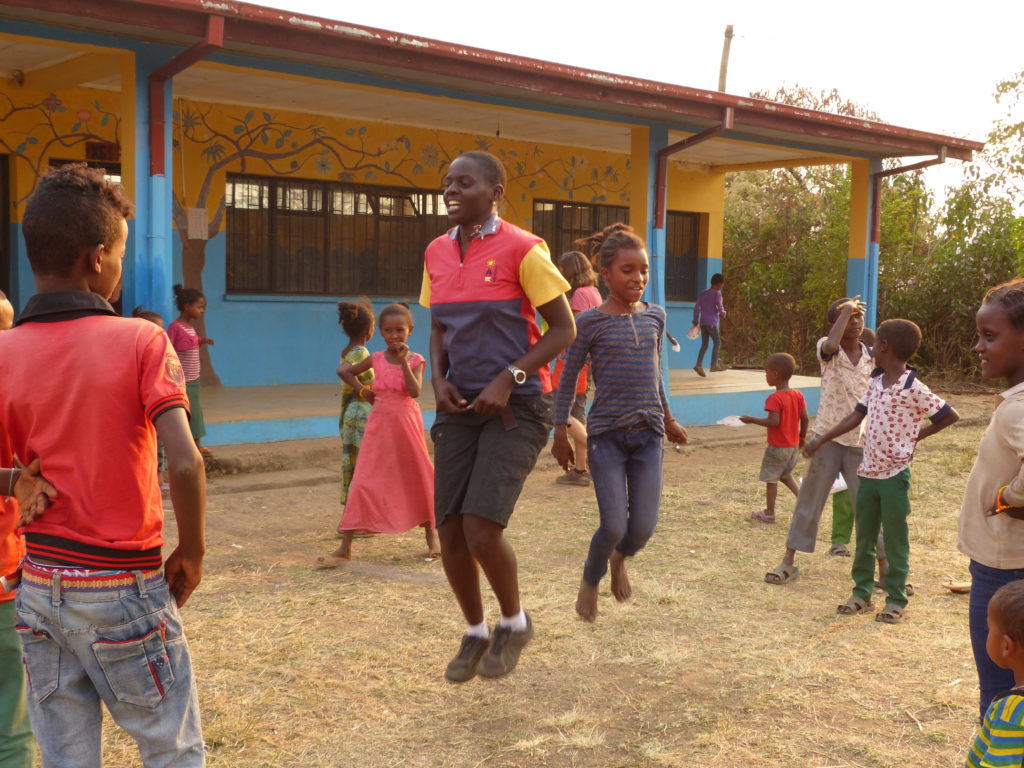
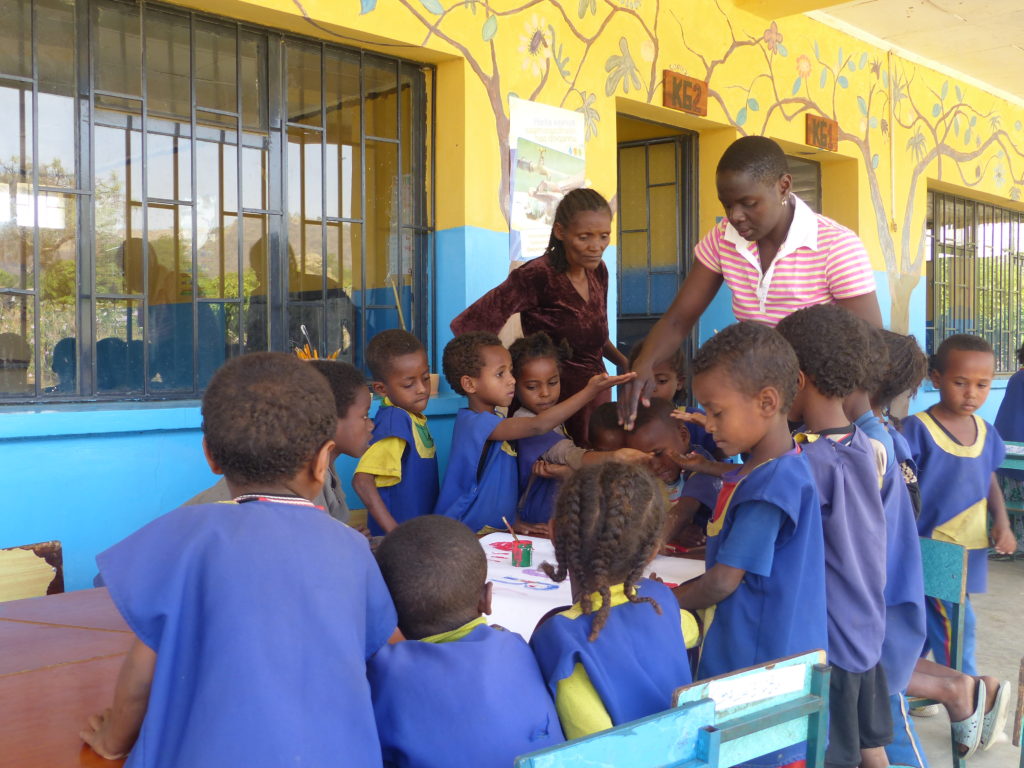
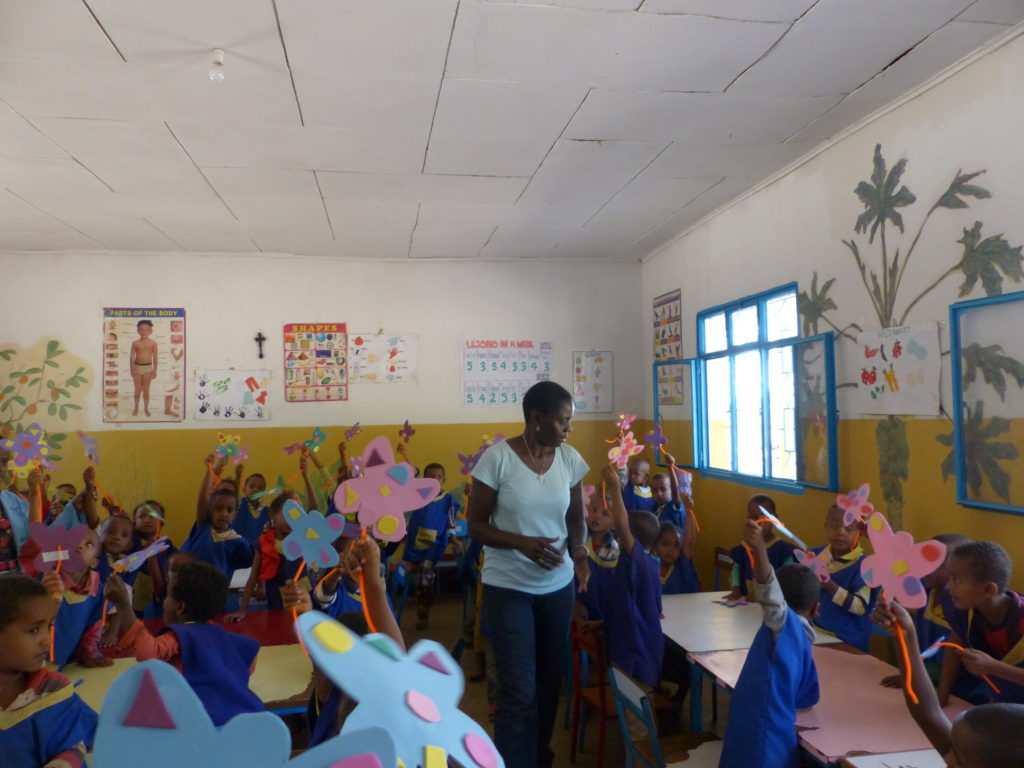
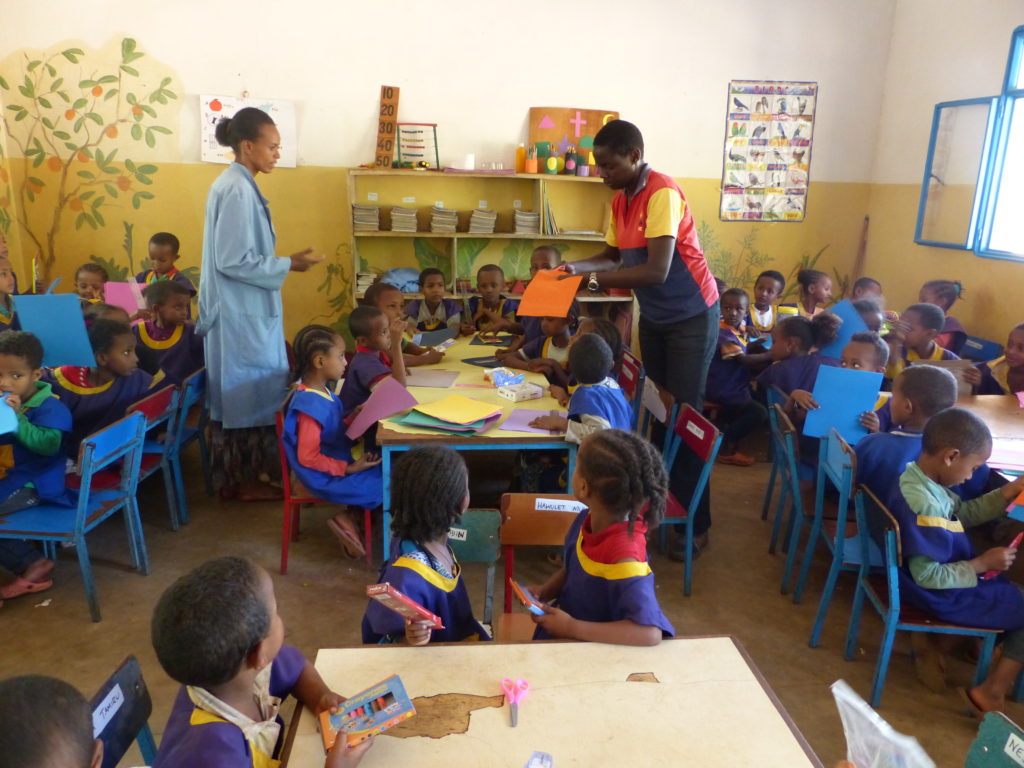
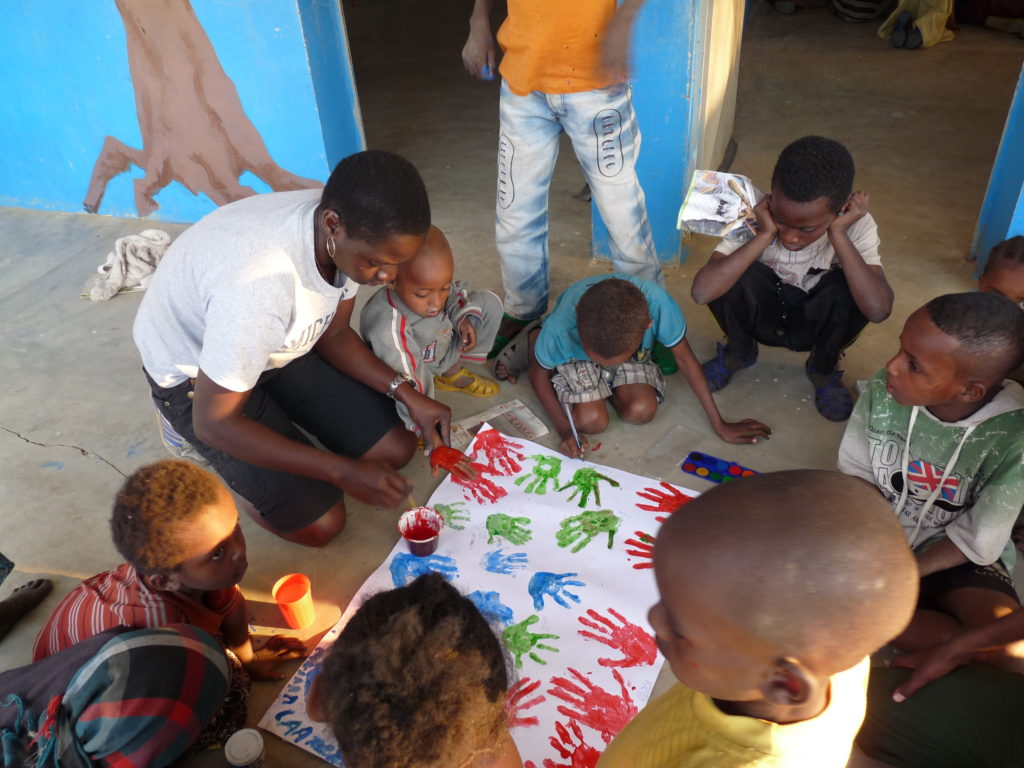
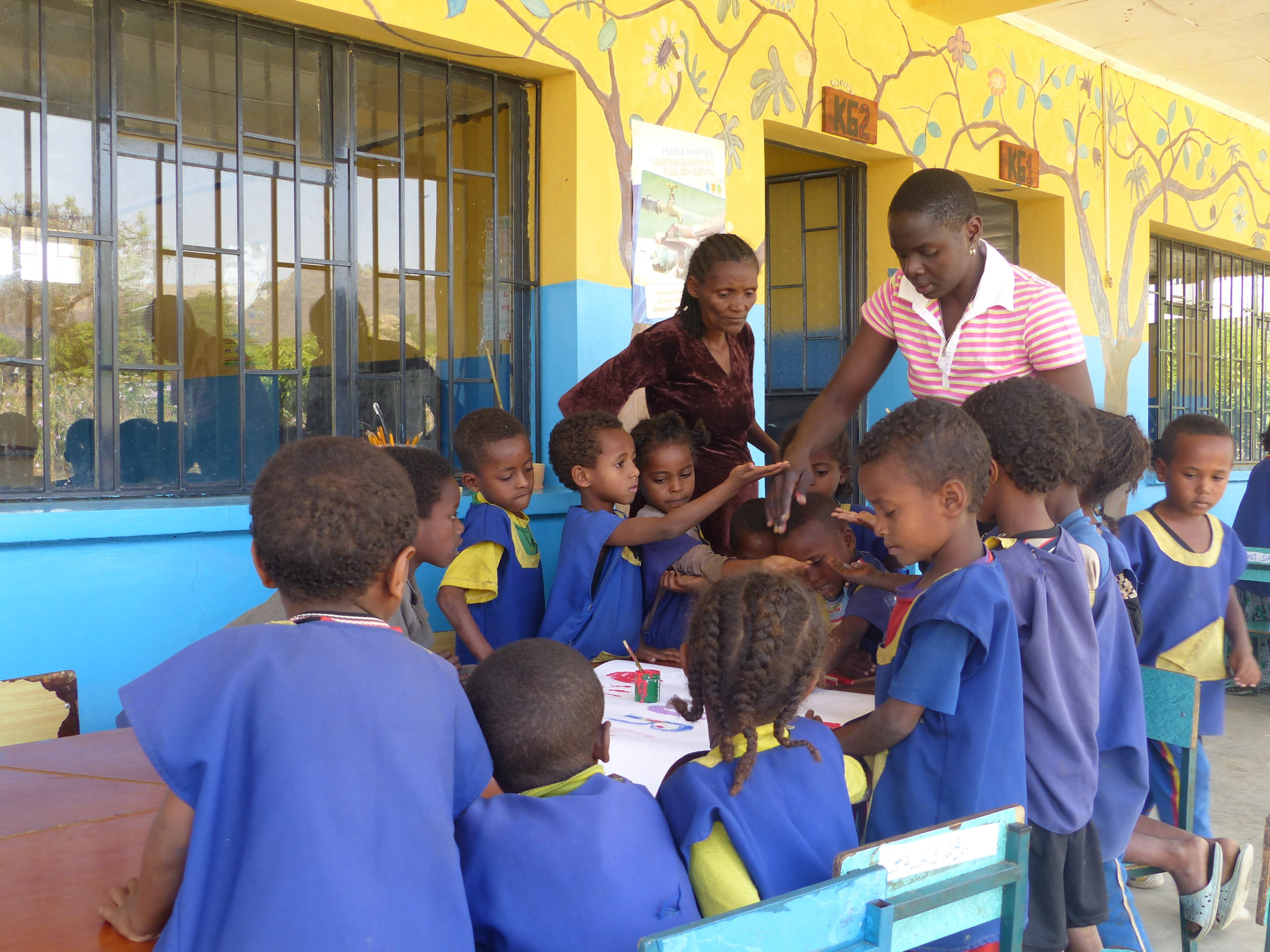
I first lived in Turkana, and then in Ethiopia, and afterwards I went to live in Mexico. This meant that I had to learn Spanish. It was not easy for me, but with the help of other missionaries like Lourdes, Rosa, Eleni, Pauline and others, everything became so much easier. I gained and learnt a lot all those years living in Mexico. We used to work in the outskirts of Mexico City in an area called Ajusco. The majority of families that live in this place are immigrants from other countries of South America. There are also other families from Mexico who come from rural areas with the hope finding an elevated lifestyle in the city but then the reality turned to be different and so they have no choice but to opt to live in this poor neighborhood. The reality in Mexico really impressed me. In Ajusco, we worked with children, young people and women and many companies as well as private people would always help by responding positively whenever we asked for support. People would donate for the smooth running of the nutritional centre. I also studied a three-year Diploma Course in Nursery School teacher, and it was very difficult for me to study in a foreign language but thanks to one teacher, Mrs. Maria Eugenia Roch, a music teacher, I was able to understand the course and finish it. After getting used to Mexico and its people, I had to leave and come back to Africa, Ethiopia in particular. This meant learning a new culture and new languages: Amharic and Oromo.
In my experience as a missionary, I have experienced several paradoxes in life: light and darkness, happiness and sadness, certainty and crisis, but most of all, a continuous transformation and learning. Missionary life makes one feel united with humanity and one discovers and learns to value everything, even when that which one does may appear insignificant in the eyes of the society.
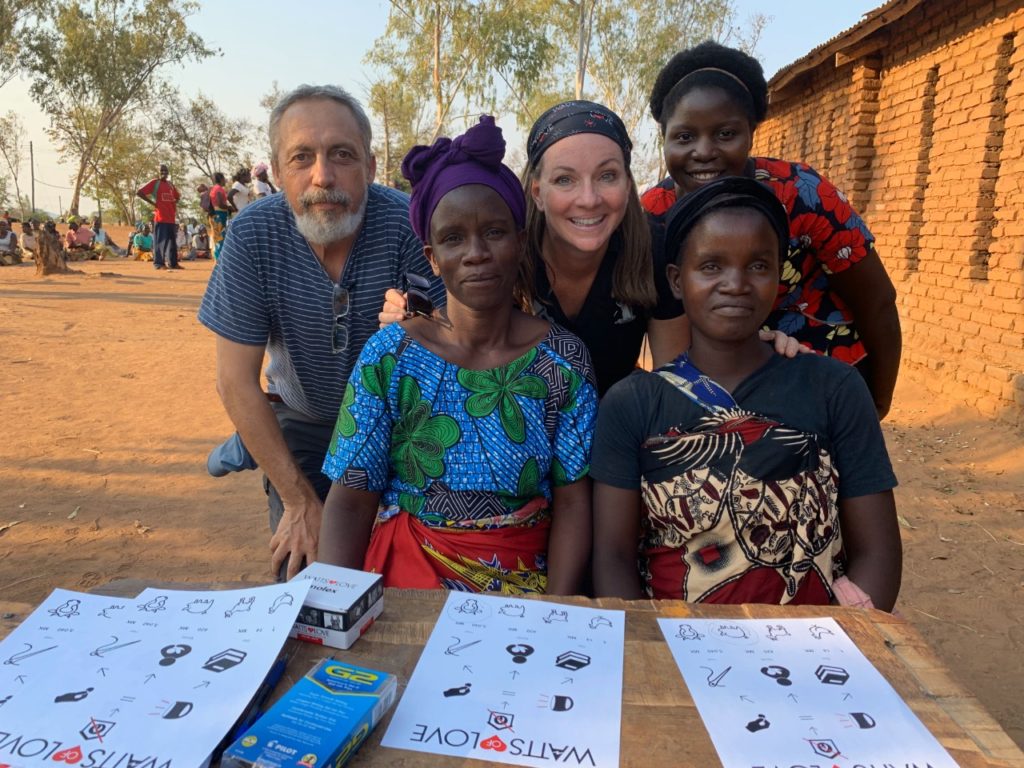
I would like to thank everyone who helped me in my vocation, especially Fr. Francisco Andreo for inviting and giving me the chance to follow Christ through him. Also to all those with whom I have lived the many years in this missionary journey of a life: Lourdes, Rosa, Scholastica, Eleni, Pauline, Josephine, Luz Maria and the other women in the Community; to all my family, my elder sister and my mother for understanding my vocation. I thank Lillian Odembo too, who really encouraged me to continue in this journey, even though she eventually left to do something different in her life.
I would also like to invite all the young people to be open to the call of God, that they should not be carried away by the unnecessary storms of the world and shun the call of God. They should leave some space for God to enter into their life’s dreams. If they feel a call from God, they should not doubt it and, instead, realize that there are also greater opportunities in life as a follower of Christ!
Lydiah Obok , MCSPA